
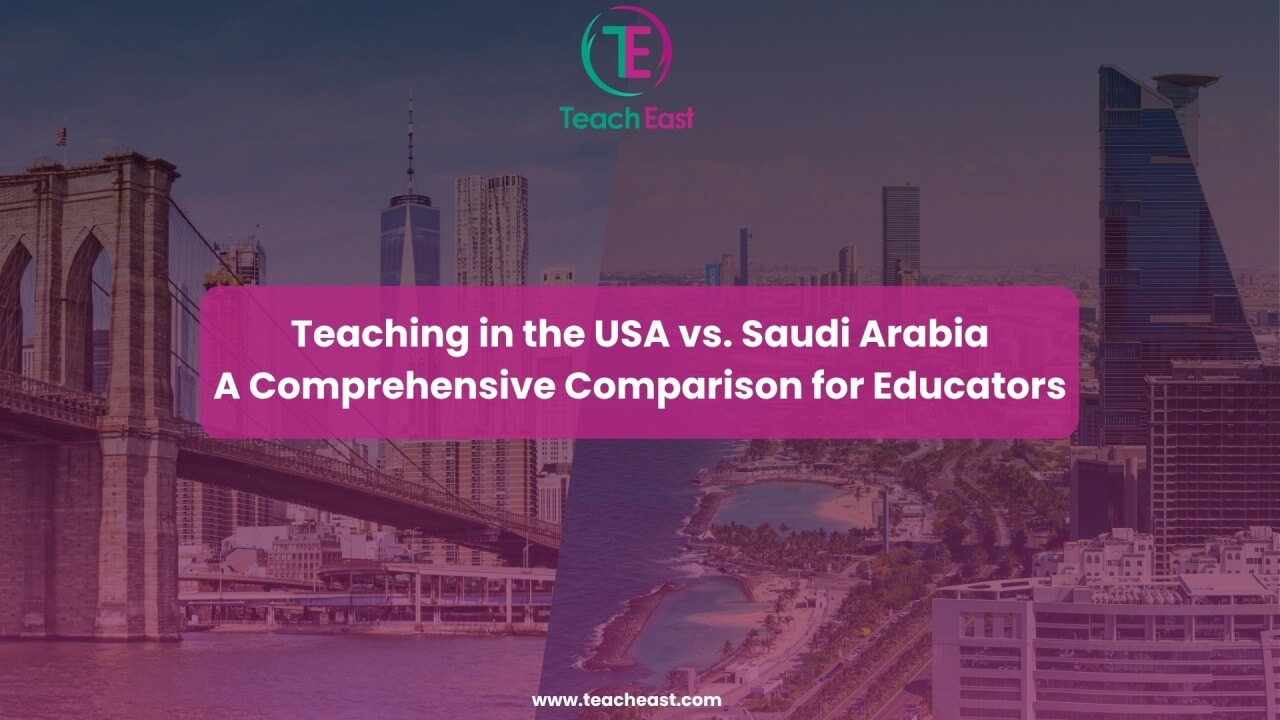
As international teaching opportunities continue to grow, an increasing number of American educators are exploring what it means to take their careers abroad, and among the most sought-after destinations, Saudi Arabia consistently stands out.
At Teach East, with over a decade of experience in global teacher recruitment and a strong presence in the Middle East, we have supported thousands of educators on their international journeys, from newly qualified teachers to experienced practitioners seeking a change of pace or direction. Our insights are informed not only by this extensive experience but also by continuous feedback from U.S.-based candidates we’ve placed in Saudi Arabia over the past several years.
Here are a few voices from American teachers who have made the move:
“Moving to Saudi Arabia was one of the best decisions of my career. The financial benefits are excellent, but what really surprised me was how welcoming and supportive the community is. The school and compound security made me feel safe from day one, and the cultural experiences have been incredibly enriching.”
— Jenny S., Early Years Teacher from Virginia.
“As an American teacher, I was initially unsure about living in Saudi Arabia. However, the comprehensive support from Teach East, plus the vibrant expat networks, made the transition smooth. The professional opportunities and quality of life here exceed my expectations.”
— James B., Secondary Maths & Science Teacher from Texas.
“My husband and I, were worried about how our kids would adjust to a new country, especially with language differences. But since the schools operate entirely in English, our children settled in quickly. The community has been incredibly welcoming, making this transition easier than we imagined.”
— Sarah S., Kindergarten Teacher
This article is designed to provide a detailed comparison between teaching in the United States and teaching in Saudi Arabia, specifically for American educators who are familiar with the U.S. education system and are considering a transition. From salary packages and professional development to work culture and lifestyle, we explore what you can expect when making the move, and whether it might be the right step for your personal and professional growth.
The Teaching Landscape
United States
The American education system is extensive and varies considerably from one state to another. Educators typically work within public schools (funded and regulated at the state or district level), charter schools (which operate with greater autonomy), or private institutions. International schools are also present in larger cities, although they represent a small percentage of the overall market.
- Curriculum and Standards: Vary by state, though many follow the Common Core or state-specific frameworks. Teachers are expected to plan lessons, differentiate instruction, and meet performance standards aligned with standardised testing.
- Licensing and Qualifications: A state-issued teaching certificate is generally required, obtained through a recognised teacher preparation programme. Licensure requirements, including examinations and fieldwork, differ by state.
- Academic Calendar: Most schools follow a late August to early June calendar, with summers off and breaks during winter and spring.
- Workload: Although official working hours are typically around 7:30am to 3:30pm, it is common for teachers to spend additional time planning, grading, and participating in extracurricular activities.
While the US system provides a clear pathway for professional development and career longevity, it also comes with bureaucratic challenges and often limited flexibility in curriculum delivery.
Saudi Arabia
Saudi Arabia’s education sector is undergoing a period of rapid transformation, driven by the country’s national Vision 2030 strategy. This includes substantial investment in private and international schools, a growing emphasis on English-language instruction, and an expanding demand for qualified international teachers, particularly in core subjects such as English, maths, science, and early years education.
Although Arabic is the Kingdom’s official language, English is the primary language of instruction in most international and private schools, not only in classrooms, but also in school administration and staff communication. As such, English-speaking educators are in high demand across a wide range of institutions.
- Types of Schools: Most international teaching roles are based within private international schools that follow British (IGCSE, A-Level), American (Common Core, AP), or IB curricula. There are also bilingual and private Saudi schools seeking native English-speaking staff.
- Qualifications: While formal state teaching licences are not always mandatory, most schools require a bachelor’s degree (ideally in education or a relevant subject) and 1–2 years of classroom experience. TEFL or PGCE qualifications are often considered advantageous.
- Academic Calendar: The school year typically begins in late August or early September and concludes in June. The working week runs from Sunday to Thursday, in alignment with the national work schedule.
- Workload: Teaching hours are generally similar to those in the US; however, teachers often find that the administrative burden and extracurricular commitments are lighter. This can contribute to a more balanced work–life rhythm.
With smaller class sizes, modern facilities, and a growing number of high-performing schools, Saudi Arabia offers an increasingly attractive and professionally rewarding environment for American educators seeking international experience.
Salary and Benefits
For many American educators, compensation is a major consideration when weighing an international move. While teaching in the United States offers stable income and long-term pension schemes, roles in Saudi Arabia often come with more competitive packages, particularly when factoring in cost of living, tax obligations, and the range of benefits included.
United States
In the US, the average annual salary for classroom teachers ranges between $52,000 and $64,000, depending on state, district, subject area, and level of experience. Entry-level teachers often start around $44,000, while more experienced educators working in high-demand areas or major metropolitan districts may earn up to $80,000 or more.
However, it is important to note that these figures are subject to federal and state income tax, which can significantly reduce net earnings, often by as much as 20–30%. Additionally, teachers are responsible for their own housing, transport, and day-to-day living expenses. While some public school systems offer subsidised health insurance and pension contributions, few roles include wider benefits such as accommodation, annual flights, or relocation support.
The result is that many US teachers report feeling financially stretched, particularly in cities where the cost of living is high. Despite the professional demands of the role, teaching salaries are frequently described as being out of step with the level of qualification and workload required. It is not uncommon for teachers to take on second jobs or summer work in order to supplement their income.
Saudi Arabia
In contrast, international teaching roles in Saudi Arabia offer annual salaries ranging from $28,800 to $63,600 USD (equivalent to SAR 108,000 to SAR 240,000), depending on experience, qualifications, subject specialism, and school tier. Most importantly, these salaries are entirely tax-free.
Beyond the base pay, nearly all teaching contracts in Saudi Arabia come with a comprehensive benefits package, which typically includes:
- Furnished accommodation or a housing allowance
- Private medical insurance
- Annual return flights to your home country
- Visa sponsorship and processing costs
- End-of-contract gratuity (often 2–3 weeks’ salary per year worked)
- Airport pickup and onboarding assistance
- In many cases, daily transport to and from school
This package dramatically reduces personal expenses and allows teachers to maximise their savings. Many educators report being able to save 40% to 60% of their monthly income while maintaining a high standard of living.
While US salaries may appear similar in gross terms, the absence of taxation and the inclusion of accommodation and other essential services in Saudi Arabia create a markedly stronger financial outcome overall. For teachers looking to build savings, reduce debt, or fund future plans, Saudi Arabia offers a rare opportunity to do so while advancing their career internationally.
Work Culture and Classroom Environment
Adjusting to a new country involves more than just a change in address, it often requires adapting to a different professional culture and classroom dynamic. For American teachers transitioning to Saudi Arabia, the shift can be both refreshing and instructive, offering new perspectives on teaching and learning within a highly internationalised setting.
United States
In the US, the school culture is typically shaped by district policies, union agreements, and a strong emphasis on accountability. Teachers are expected to manage a diverse range of responsibilities, including curriculum delivery, individualised education plans (IEPs), standardised testing, behaviour management, after-school programmes, and parent engagement. While many teachers find great fulfilment in their work, the pace can be demanding.
- Autonomy: US teachers generally enjoy a high level of autonomy in how they plan and deliver lessons, particularly at the secondary level. However, this can be counterbalanced by rigid curriculum frameworks and frequent assessments.
- Parental involvement: Schools in the US often encourage active parent-teacher communication, with regular reporting and expectations for transparency.
- Class sizes and resources: These can vary widely. Some districts are well-funded, while others struggle with under-resourcing, large class sizes, and limited support staff.
- Workload: Many teachers report working well beyond contract hours—frequently spending evenings and weekends preparing lessons, marking work, and fulfilling administrative tasks.
Saudi Arabia
In Saudi Arabia, international schools, particularly those following British, American, or IB curricula, typically offer a structured and professionally managed environment with strong administrative support. Many institutions are purpose-built, well-resourced, and committed to maintaining international standards. The student body often comprises both local and expatriate families, creating a multicultural classroom dynamic.
- Curriculum and structure: Teachers are usually hired to deliver a specific international curriculum and are expected to follow a clearly defined scope and sequence. While creativity in lesson delivery is welcomed, schools generally appreciate consistency and adherence to curriculum objectives.
- Class sizes: These are often smaller than in US public schools, which can allow for more focused instruction and classroom management.
- Planning and workload: Although teachers are expected to maintain high standards of preparation and engagement, many report that their administrative burden is lighter than in the US. Extra-curricular demands and non-teaching duties are typically minimal unless contractually agreed.
- Professional conduct: Schools place a strong emphasis on professional appearance, punctuality, and adherence to policies. In return, many offer supportive leadership, regular performance feedback, and professional development opportunities.
- Parent relationships: While parent engagement is important, it is usually less intense than in the US, and often handled more formally through structured channels such as parent-teacher meetings.
Overall, American teachers often find that their professional expectations align well with those in Saudi Arabia, but with a more balanced rhythm and clearer boundaries between work and personal time. The classroom culture is typically respectful, with students generally showing deference to teachers, and schools placing a premium on discipline and academic achievement.
Cultural Environment and Lifestyle
A Modern, Diverse Country
Language and Communication
- Arabic is the official language of Saudi Arabia.
- English, however, is widely spoken, particularly in private and international schools, restaurants, shops, airports, and healthcare services.
- Most private schools operate entirely in English, from instruction to administration.
- Teachers can live and work comfortably without speaking Arabic, although learning basic phrases is always appreciated.
Lifestyle, Social Life, and Leisure
- Major cities like Riyadh, Jeddah, and Dammam offer vibrant urban living, with international cafés, restaurants, shopping malls, museums, and public parks.
- Saudi Arabia has seen rapid development in entertainment, with concerts, sporting events, cultural festivals, and international exhibitions held throughout the year.
- Beaches, hiking trails, and desert adventures provide ample opportunities for outdoor enthusiasts.
- Intercity travel is easy, and regional airports make it convenient to visit nearby destinations like the UAE, Bahrain, Egypt, or Europe.
Respecting Culture, Living Freely
- Saudi Arabia is an Islamic country with deeply rooted values, but it is also welcoming to people of all backgrounds and faiths.
- Foreigners are free to practise their religion and live according to their beliefs, provided they respect local customs.
- Modest dress is encouraged, but it’s widely interpreted and flexible, especially in larger cities and international environments.
- Alcohol is prohibited by law and is not served in restaurants or hotels — but the social scene is vibrant, diverse, and increasingly global without it.
Accommodation and Support
- Most teachers receive either free housing or a monthly housing allowance as part of their package.
- Many live in expat compounds or modern apartments with access to amenities like pools, gyms, and communal spaces.
- Teach East offers personal support throughout the relocation process, helping teachers settle into their new environment with confidence.
Career Development and Professional Growth
One of the key advantages of teaching in Saudi Arabia is the opportunity for rapid career development and exposure to high-calibre educational settings. While the U.S. education system offers structured certification and tenure processes, international experience in Saudi Arabia often allows for more flexible progression and dynamic professional experiences.
Teaching in the U.S.
- Structured Pathways: U.S. teachers typically need a bachelor’s degree and a state-issued teaching credential, which can take an additional year or more to complete. Advancing in your career often depends on seniority, union membership, or formal graduate study.
- Professional Development: CPD opportunities vary widely by district. Some schools offer robust in-service training, while others leave PD up to the teacher’s initiative or personal expense.
- Limited Flexibility: Moving between districts or states can require re-certification, making it harder to pursue new opportunities or leadership roles without starting over.
Teaching in Saudi Arabia
- Fast-Track Growth: Teachers who perform well in Saudi schools often find themselves promoted quickly into roles such as department head, coordinator, or even school leadership, especially in newer schools that are expanding.
- Modern Pedagogy: Many schools are investing in international best practices, digital tools, and progressive teaching methods. This provides excellent professional exposure, especially for teachers who’ve only worked in traditional systems.
- International Collaboration: Teachers work alongside professionals from the UK, U.S., South Africa, the Philippines, India, and beyond, gaining valuable intercultural and international experience.
- Licensing and Development: While teachers are still expected to meet qualifications, there is no requirement for state-by-state certification, and most schools provide continuous in-house training or support for further education.
CV Value and Global Recognition
- International teaching experience is increasingly recognised by global schools, and time spent teaching in Saudi Arabia can make your profile more competitive for future opportunities, whether in leadership, curriculum development, or further global placements.
- Teach East supports its teachers not just with placement, but with long-term planning to help them use their time in Saudi Arabia as a stepping stone for the next stage in their career.
Community, Wellbeing, and Support Systems
Relocating to a new country can feel daunting — but one of the most consistent pieces of feedback we receive from teachers in Saudi Arabia is how supported they feel, both by their school community and through broader expat networks. Teach East also plays a hands-on role in making sure our teachers are fully prepared, informed, and connected from the moment they accept a role.
Teacher Support in the U.S.
- School-Based Wellbeing Varies: Some U.S. districts have well-funded wellness initiatives, but many teachers report high stress levels, administrative pressure, and limited emotional or logistical support.
- Workload Challenges: U.S. teachers often face larger class sizes, less planning time, and significant non-teaching responsibilities that contribute to burnout.
- Mental Health Awareness Growing: While awareness is increasing, dedicated mental health resources for teachers remain inconsistent and are often not embedded in the school culture.
Teacher Support in Saudi Arabia
- Tight-Knit School Communities: International schools in Saudi Arabia tend to foster close staff relationships, with many schools offering built-in social activities, wellness programmes, and community events.
- Expat Networks: With hundreds of thousands of foreign professionals living in Saudi Arabia, including thousands of teachers, there are thriving expat communities, especially in cities like Riyadh, Jeddah, and Dhahran. These networks are often the foundation of social life for newcomers.
- On-the-Ground Guidance from Teach East: We don’t just place teachers — we actively support them. From pre-departure briefings to airport pickups, accommodation support, and cultural orientation, our team ensures a soft landing and continued support throughout the contract.
- Safer Environments: Many teachers report feeling safer in their Saudi communities, with schools typically offering secure campuses, accommodation compounds with gated security, and a strong sense of local hospitality.
Safety and Security
Safety is often one of the foremost concerns for teachers considering a move abroad. Understanding what to expect in Saudi Arabia compared to the United States can help provide peace of mind and support informed decision-making.
Safety in the United States
- The U.S. is a large and diverse country where safety levels vary widely by region, city, and even neighbourhood.
- Concerns such as school security, community violence, and emergency preparedness frequently feature in discussions among educators and parents.
- While many schools have robust safety protocols, incidents of violence in schools have understandably made some educators and families cautious.
Safety in Saudi Arabia
- Saudi Arabia is widely regarded as one of the safest countries in the Middle East, with low crime rates and strict law enforcement.
- International schools often operate within secure campuses featuring controlled access, CCTV, and dedicated security personnel.
- Many teachers live in gated residential compounds or housing communities that offer additional layers of security, including private guards and monitored entry points.
- The country places a high value on public order and community respect, which contributes to a secure and stable environment for expatriates.
- Traffic safety and road conditions may differ from what Americans are used to, so it’s important to exercise caution when driving or commuting.
- Teach East offers guidance on personal safety, local customs, and emergency procedures as part of our relocation support, ensuring teachers feel confident and prepared.
Overall, many educators who relocate to Saudi Arabia report feeling a strong sense of safety and security, both in their workplaces and living environments. This peace of mind allows them to focus on teaching and enjoy a rewarding personal life abroad.
Building a Life Beyond the Classroom
- Teachers in Saudi Arabia often enjoy a better work-life balance, with more time to pursue hobbies, travel, or participate in the social and cultural scene.
- Wellness is often prioritised differently, from access to high-quality gyms and spas to weekend desert trips and Red Sea diving, the lifestyle encourages a more holistic, balanced approach to work and life.
What to Consider Before Choosing
Choosing between continuing your teaching career in the United States or making the move to Saudi Arabia ultimately depends on your personal and professional priorities.
- Financial Goals: Saudi Arabia offers tax-free salaries and comprehensive benefits packages that can accelerate your savings, especially if your goal is to reduce debt or build financial security.
- Career Development: Consider whether you prefer the structured but sometimes slow progression of the U.S. system or the faster-paced leadership opportunities available in Saudi Arabia’s growing international schools.
- Cultural Adaptability: Relocating to Saudi Arabia requires openness to a different cultural context and lifestyle. If you value intercultural experiences and are willing to respect local customs while living comfortably, the Kingdom can be very rewarding.
- Family and Lifestyle: Assess your family’s needs, including education for children, spouse employment opportunities, and lifestyle preferences. The expat community and quality of life in Saudi Arabia’s major cities provide strong support networks.
- Long-Term Plans: Some teachers use their experience in Saudi Arabia as a springboard for further international opportunities or financial goals, while others make it their long-term home.
Final Thoughts
At Teach East, we’ve supported thousands of teachers in successfully navigating their international careers, whether that means growing within the U.S. system or taking the leap to new horizons in Saudi Arabia. Success comes down to finding the right fit for your goals, values, and lifestyle.
If you are an American educator seeking to expand your career, improve your financial outlook, and embrace a vibrant, modern culture, Saudi Arabia offers unparalleled opportunities.

0 Comments